Watch Dogs: Legion Review

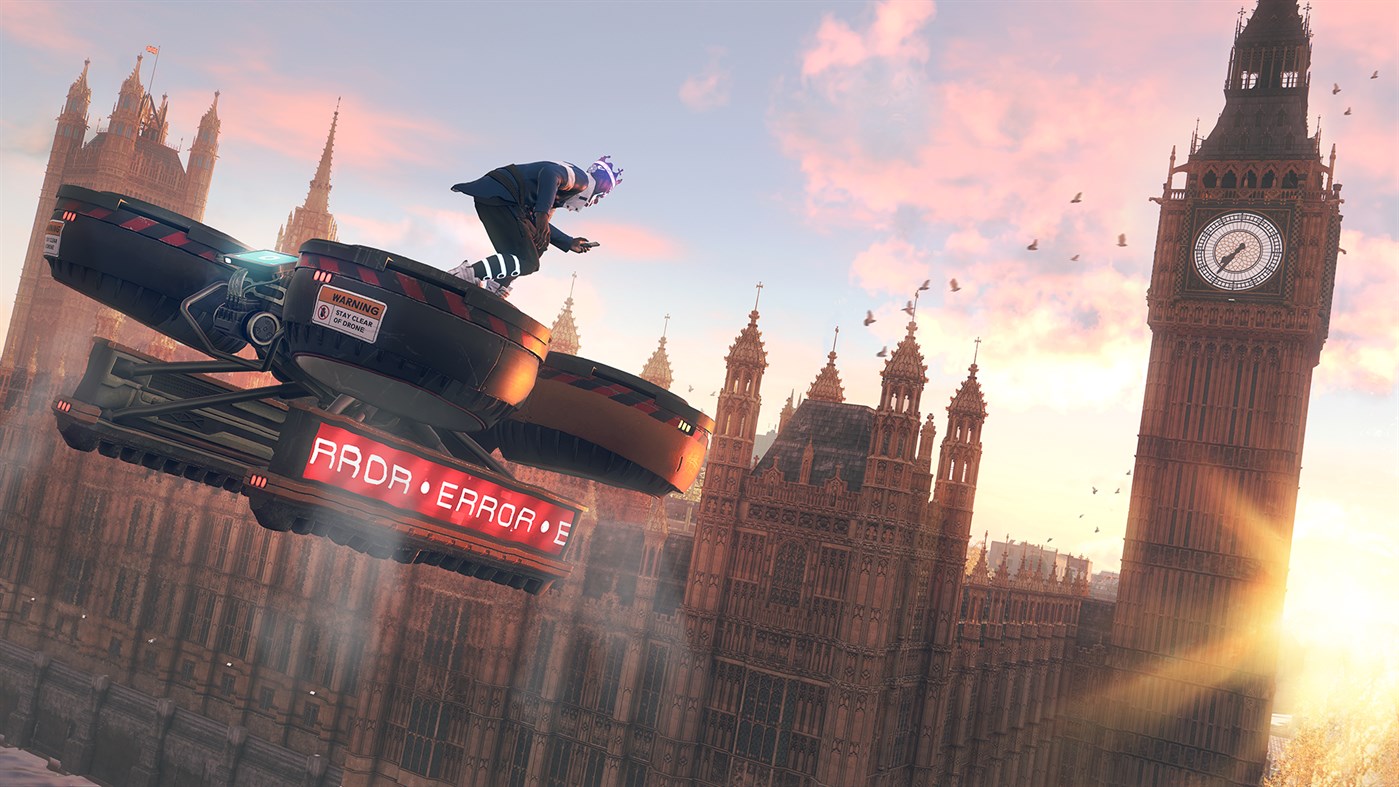
To begin with the good, Watch Dogs: Legion’s rendering of London is quite phenomenal. The iconic areas are suitably recognisable and some of the less well-known parts are still true to life. I have found myself recognising streets that I used to run down and feeling nostalgic about pubs once frequented. The streets teem with a diverse population that makes London feel alive and realistic. There have been reports of poor performance on PC but it runs well on my admittedly beefy machine *humblebrag*.
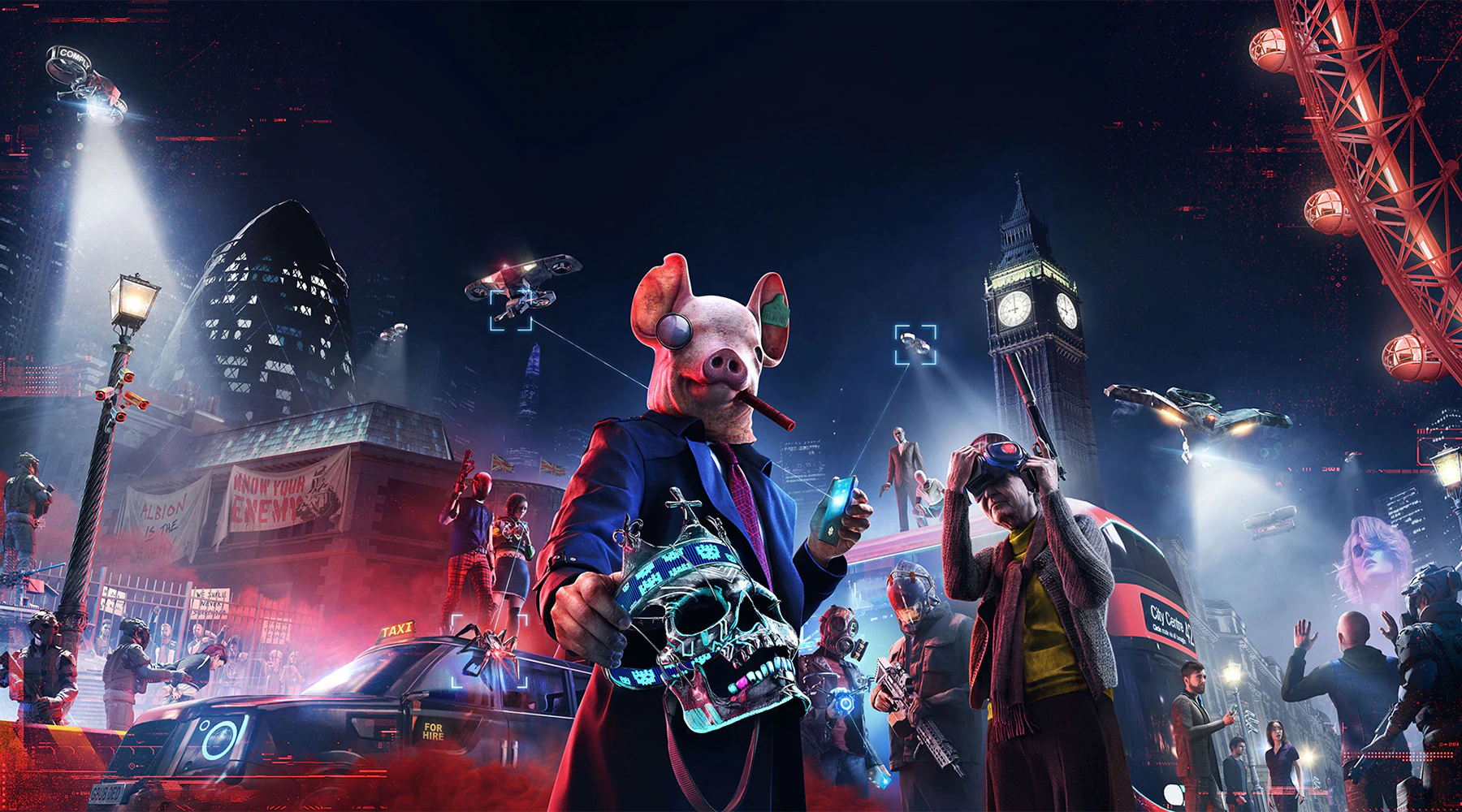
WD:L is an open-world action game set in a near-future London, which casts an underground resistance movement against authoritarian forces wrestling for control of the city. The player will use cameras, traps, drones and an incredibly useful spiderbot to take down those who seek power.

The flagship feature of WD:L is the “play-as-anyone” technology. It is possible to recruit any NPC to your ragtag team of resistance fighters, and it works fairly well. After completing a couple of procedurally generated missions, the character is now yours to control and comes with their own unique skills and abilities. This is good fun and the visual variety in “agents” is tremendous, but the downside of this effort is there simply isn’t enough voice-acting to go round. This leads to repeats and awkward dialogue. For these reasons, the story (wisely) doesn’t hang on the player character at any point and is carried by supporting characters. However, the occasional inclusion of the player character rarely works.

The moment-to-moment gameplay in WD:L is fun, but can be repetitive and, on the default difficulty, too easy. Each scenario almost always involves infiltrating a building. With upgrades easily obtained in the first hour of play, you can do this using drones and your trusty spiderbot without ever entering the building. On the occasions when the player is needed in-person, it’s trivial to “neutralise” all the enemies patrolling the area before you breeze through a corridor of corpses. Despite DedSec’s vague ethos of non-lethality, there is no punishment for hacking a drone with a machine gun and mowing the guards down.

When the player is required to do some shooting themselves (how last-century!), the mechanics are competent but sometimes buggy. Due to some interaction between the crouch, cover and gun systems I was, more than once, left pulling the trigger but no bullets were coming out. Frustrating in clutch situations.

While moving through the world of Legion I can’t help but miss the sense of fluidity that comes with other open-world games, most notably Ubisoft’s own Assassin’s Creed. WD:L feels a little stunted in comparison. This seems intentional, as the game encourages more calculated, careful strategies for problem-solving but when this turns out to lack much flair and creativity it ends up feeling awkward. Fingers crossed for Assassin’s Creed Valhalla next week.

The most interesting combat occurs in the pseudo-boss battles which involve holding a point against waves of incoming enemies using all the skills at your disposal. It is very satisfying to defend a point while a download is happening with a swarm of drones helping you, some of whom have been hacked moments before to turn on their masters. Not to give too much away, but the final boss is a fun spin on this which, while not entirely awe-inspiring, felt appropriately climactic.
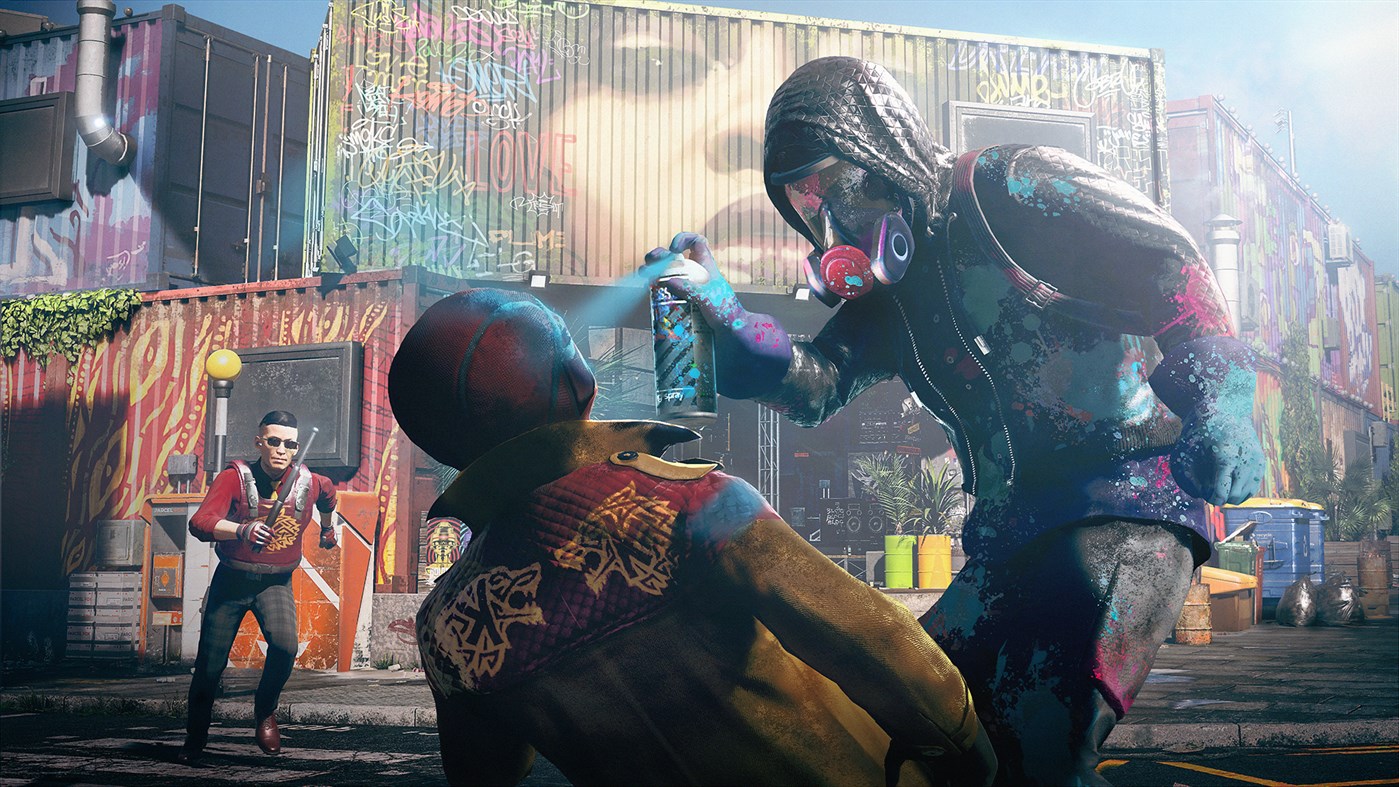
The city of near-future London is thoroughly enjoyable to explore, but there’s very little incentive to do so. Available to be collected we have ETO (in-game currency) and Tech points (used for upgrading skills). ETO can only be spent on buying new clothes. Perhaps this belies a sad lack of imagination on my part, but I have no interest in customising the look of a character (they already look wacky enough!) so the ETO is literally worthless. The Tech Points unlock and improve skills, which are shared between all agents. This is more-or-less the extent of progression in WD:L. I unlocked most of the skills I used after a few hours, so there was little need to seek out more (plus you are rewarded with them for completion of story missions!). When I identified Tech Points late game I simply ignored them if they were even slightly out of my way.

The small remainder of the game’s progression is built into the Agent Recruitment system. Some agents have unique skills and skills that improve the whole team, such as faster recovery from injury. This is very light and the combination with Tech Points means you don’t get much out of exploring the world except for its own sake.

The story is where the game is at its weakest, rolling out cliche after cliche about the dangers of technology, governmental oversight and authoritarian ideologies. To be fair, the conclusion of the parallel narratives was gratifying, if heavy-handed. It’s always nice to see an ideologue die by the sword that they lived by. However, the overall tone is so up-and-down as to be almost offensive. It is possible to have your street-magician character, adorned with pink LED-illuminated jacket and top hat, helping to free victims of human trafficking or modern-day slavery. The game can accidentally, though inevitably, make light of some very dark and important themes.
Additionally, so predictable is the story that when the third-act twist was revealed, it was something I had thought was assumed from literally the opening sequence of the game. And I had been skipping through the boring, stunted dialogue.

As a native to the north of England myself, it struck me as odd how much this game treats London as an island, its own sovereign state. There is literally no mention of how the game’s events are affecting other parts of the country. Are they also under the control of technocratic authoritarians? I realise this would only really bother Brits, but as London-centric as things in the UK tend to be, even this was extreme. It broke the immersion because this was so clearly a marketing decision – London holds much more capital on the world stage than Liverpool or Birmingham, so they were just ignored completely. Also, to be picky, there were a few annoying non-britishisms that snuck into the script. I’ve been a british nerd my whole life and have never attended a “science fair”.

Overall, Watch Dogs: Legion is an enjoyable but bland romp. I have to give it credit for having something to say, I was just luke-warm on the execution. Generally, this is one that can only confidently be recommended to fans of the series. To everyone else, you might be better off finding your open-world kicks elsewhere.

Top 5 Games of the Year 2018

It’s that time of year again.

Honourable mention: Red Dead Redemption II.

Holy Moly. Say what you want about RDRII, that game is a hell of a thing. In terms of scale, attention to detail and sheer quality it is unparalleled. It is really a sight to behold. The problem with RDRII, in the end, is that it just wasn’t that fun. Unlike this year’s fantastic Spiderman, the moment-to-moment action in Red Dead II was simply tiresome and dull. Yes, the story was great, the voice-acting was spot-on, the shooting was fun. The bits in between – as in, the majority of the game – were not fun. When it came down to it I think I resented Red Dead II for not respecting my time. I felt like I was constantly having a hypothetical argument with the Houser brothers, where I wept for the 50th time “Why can’t I just fast-travel there?!” and Dan Houser spits back through gritted teeth “Because you’re going to fucking ride a horse for ten minutes instead”

5. PlayerUnkown’s Battlegrounds

It’s back. Flying against the rules of my top 5 list that I made up, I am including the same game two years running. PUBG was my game of the year last year and it has remained such a constant feature in my life that it has to make the list again.

The ongoing criticisms of PUBG are well-documented and as I approach 1000 hours of playtime I am not going to argue with them. The netcode can be bad. The microtransactions are shitty. The performance is spotty. But the core mechanics of the gameplay are so damn good.

There is something about the long periods of peace, frantic moments of violence and satisfying shooting mechanics that keeps me (and my friends) coming back to PUBG. It has to be said that I would not be so keen on the game if I didn’t have a close group of friends still playing it – but that fact it has kept us all so hooked is testament to the game in itself.

Further in the defense of PUBG Corp, they have made a concerted effort to appease fans this year with the Fix PUBG campaign and the release of a huge update in December. The new snow map has proved a big hit with the community (and me) and PUBG‘s concurrent player count once again surpassed one million. Despite fierce market competition from the likes of Fortnite and Black Ops among many others, PUBG is not out of the battle royale just yet.

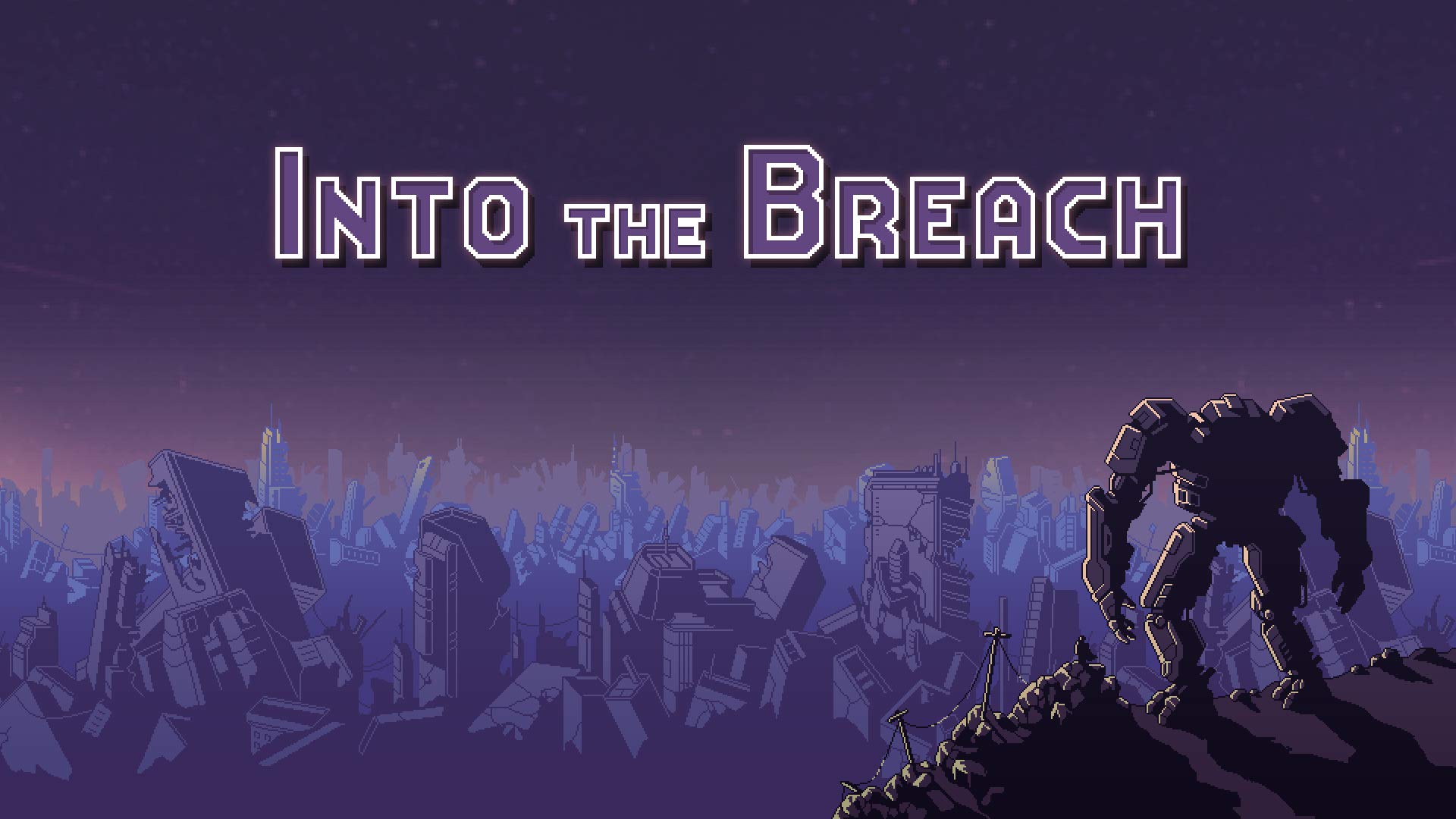
4. Into The Breach

Released early in the year on PC and more recently on Switch, Into The Breach has proven to be a huge success. From the makers of FTLInto The Breach is a turn based strategy puzzle game that pits teams of mechs against alien insects.

The most remarkable thing about ITB to me is just how solvable many of the predicaments you find yourself in are. If you stare at the field of battle long enough, you can frequently find a way out of the seemingly hopeless state you have gotten yourself into. You might have to accept some damage here or sacrifice a city to the Vek there, but you can get out of it (most of the time).


ITB really makes decisions feel meaningful and impactful and encourages – or rather, insists upon – sacrifice and compromise in order to move forward. It is satisfying and frustrating in just the right ratio and gives you the feeling of being a strategic battle commander in both ways – when you lose, you know it’s your fault but when you win, it’s you (and not the roll of a dice) that made it happen.

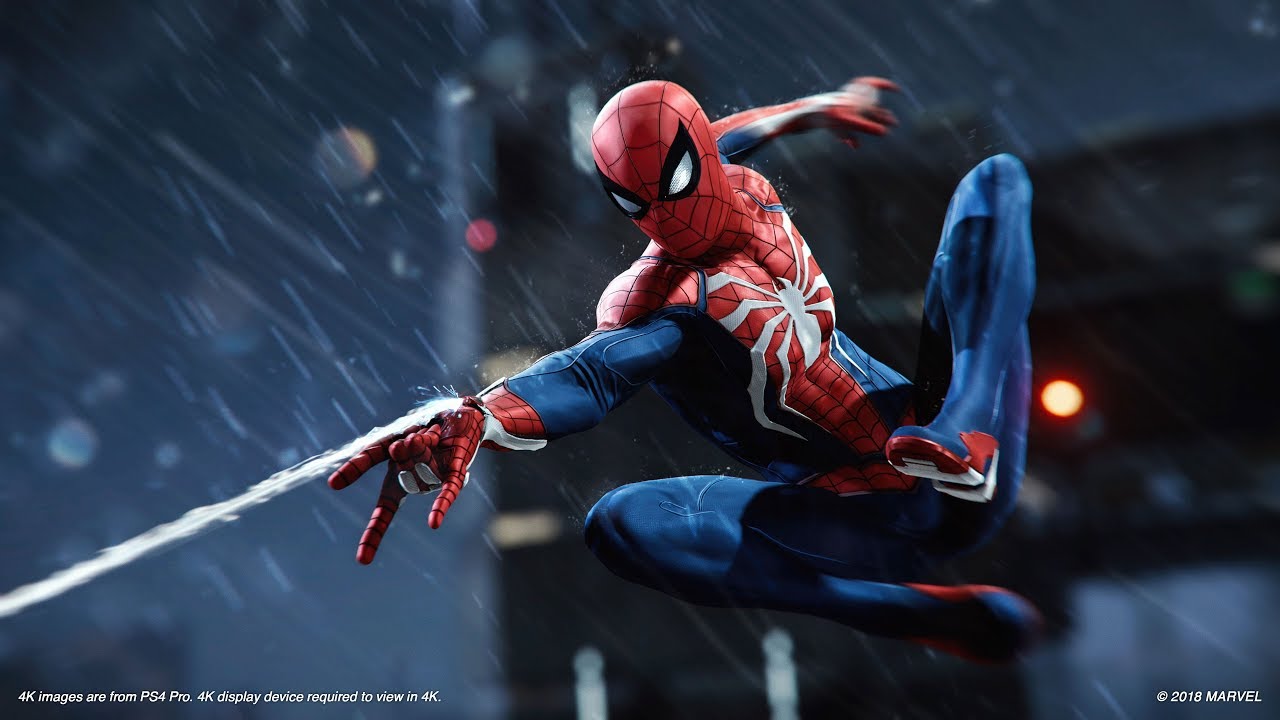
3. Spiderman

The swinging in Spiderman is excellent. This is a really important point because it makes up most of the game. If you like the swinging, you will probably like this game and it feels truly majestic to move around Manhattan this way. Unlike the ponderous RDRII, every moment of Spiderman is good fun.

The combat has come in for criticism for being Arkham-lite, and that may be fair. Nevertheless, I found it to be enjoyable, strategic and generally what one would expect from an arachnid superhero.

I found the story relatively luke-warm but for me the sheer joy in every moment of Spiderman got it easily onto this list.

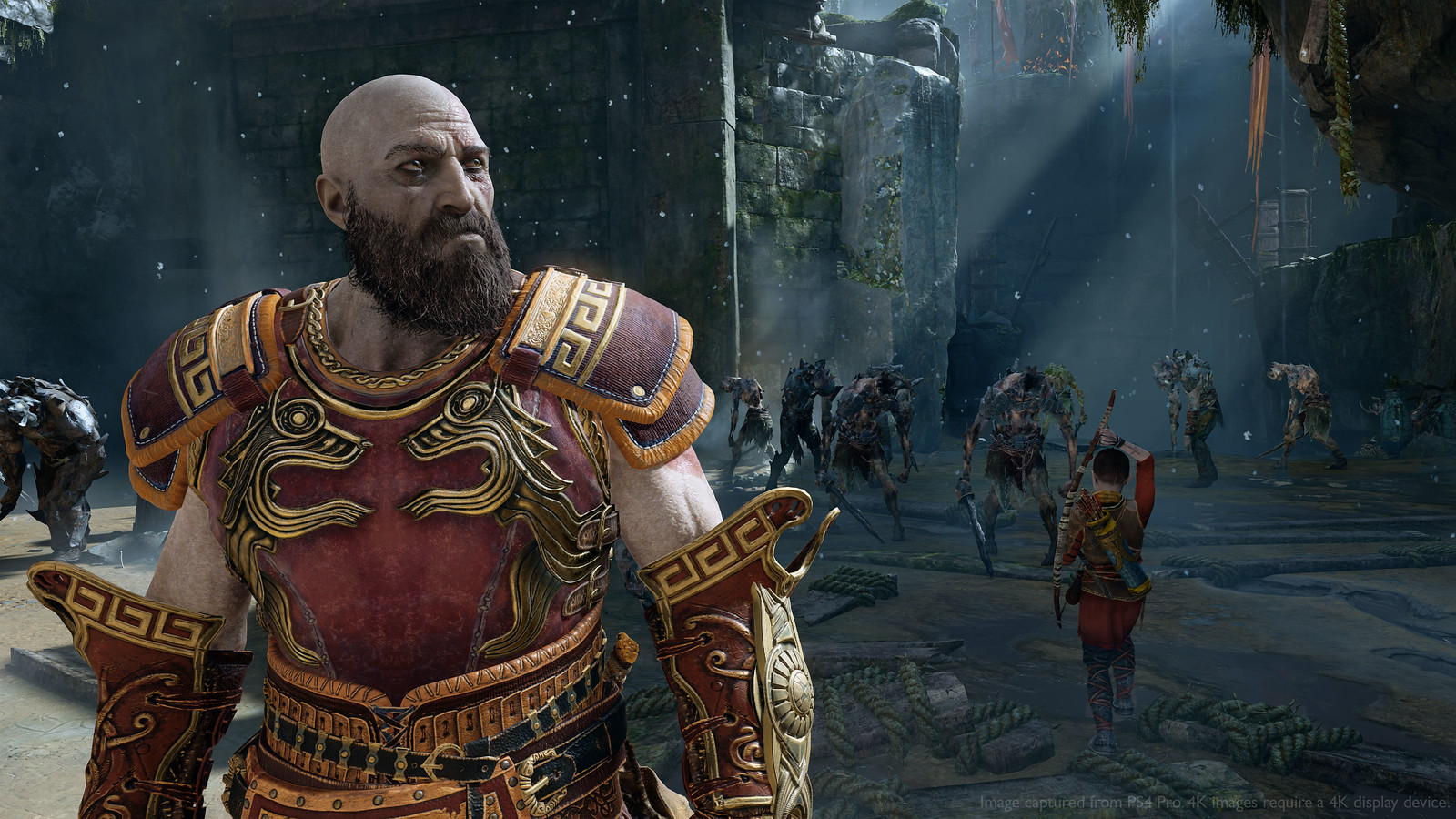
2. God of War

The hype for God of War was one of the reasons I bought a PS4 earlier this year. The console did not disappoint, and neither did GoW.

The axe mechanic – which can be thrown and recalled by magic at any time – is enough for GoW to score highly, but in addition to that there are breathtaking visuals, an intricately designed world and a relatively in-depth loot system.

Despite the criticism God of War received for lack of female representation, I think the game should be praised for its portrayal of the difficult aspects of masculinity and the nature of the father-son relationship. Sure, it may be a little clumsy at times but the game makes good use of voice-acting, cut-scenes and game mechanics to develop the relationship between Kratos and Atreus to make a truly compelling story.

After completing the game I took great pleasure (and a little frustration) in beating all the Valkyries, which added many hours to the game and is an indisputable marker of the good time I was having.

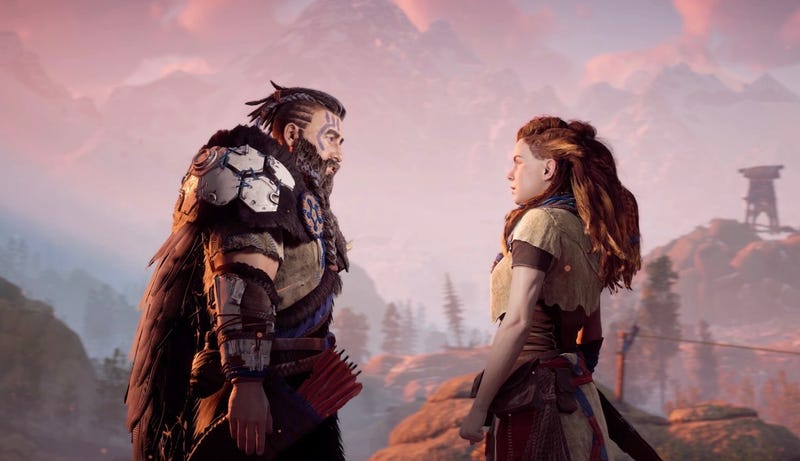
1. Horizon: Zero Dawn

So H:ZD didn’t actually come out this year, but I played it for the first time in 2018 and was so blown away that it not only made the list – it made the top of the list. Horizon swept in and became one of my favourite games of all time. H:ZD is Dutch studio Guerilla games’ first attempt at the open-world genre and their fresh and unique approach has produced a very fine contribution to the field.

The first thing that stands out is the combat mechanics. The game revolves around fighting various kinds of robot animals – from ostriches to dinosaurs. The player gradually acquires a variety of weapons to take on these cybernetic beasts and the range available keeps the fights fresh, fun and strategic. It is possible to just brute force your way through the encounters, but much more satisfying to scan the creature for weaknesses and use the most appropriate weapon to achieve the most devastating results (which could be a catastrophic explosion, the removal of a limb or freezing). It is by far the most engaging combat mechanic I have ever seen in an open world game.

I must also highlight the story in Horizon, which could easily stand alone as a book or film. Guerilla opted for the conventional open-world technique of drip-feeding narrative through written and audio logs interspersed with cut-scenes. The characters are compelling, mysterious and supplemented by on-the-mark voice-acting, with the fantastic protagonist Aloy chief among them. I was keen to seek out every available audio log to find out more about the world.

The open-world of H:ZD is densely-populated and beautiful. Sun-scorched deserts give way to verdant forests, all in a vibrant and varied colour pallet. Tribal hunting parties roam the dangerous wilderness and well-developed side quests are ever-present. In harmony with the story-telling Guerilla have built something that feels very like a living world.

Of course, nothing is perfect and H:ZD is no different. The inventory management is clumsy at best and off-puttingly overwhelming at worst. However, the flaws in Horizon only serve to underline the potential for a sequel that builds on the strong foundation that the first game started. Here’s hoping for some news on a follow-up in 2019.

Northern Powerhouse Ep 1 and 2

Northern Powerhouse Episode 1:

Downloadable from this link:
https://jakeharris.co/wp-content/uploads/2018/07/northern_powerhouse_e01.wav”

Northern Powerhouse Episode 2:

Downloadable from this link:

https://jakeharris.co/wp-content/uploads/2018/07/northern_powerhouse_e02.wav”